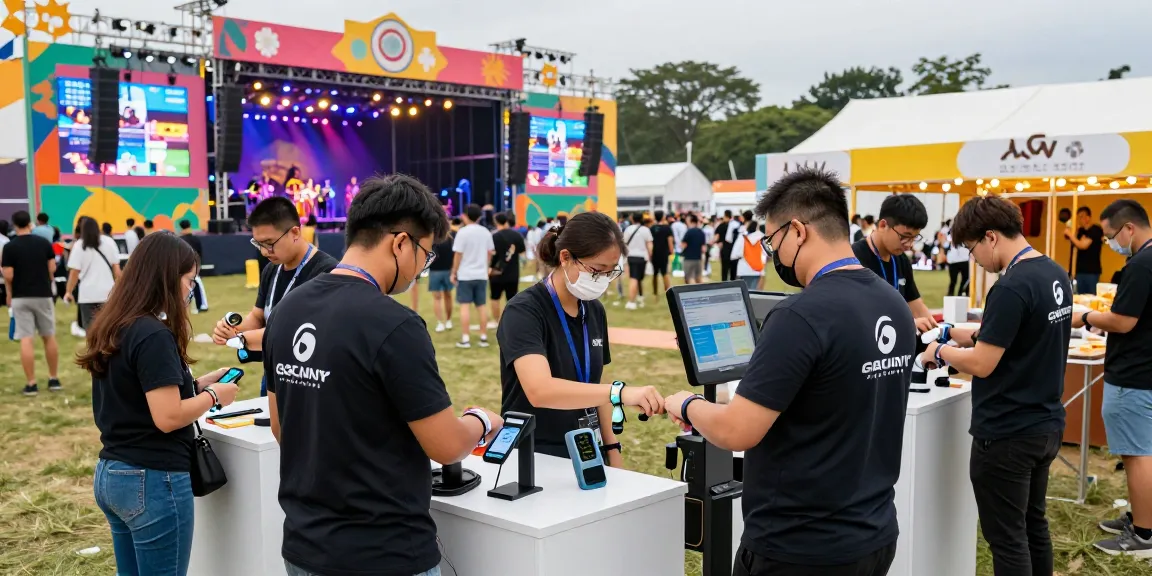
Understanding the Role of Expositores in Trade Shows
In the dynamic world of trade shows, the role of expositores is crucial. These individuals or entities serve as the face of their brands, showcasing products and services, engaging with potential clients, and generating valuable business leads. Understanding the significance of expositores goes beyond mere representation; it involves mastering the art of communication and demonstrating product knowledge. As we look towards 2026, the landscape for expositores will continue to evolve, driven by technological advancements and changing consumer expectations. For those seeking to delve deeper into the world of expositores, Expositores provides comprehensive insights into best practices and trends.
What are Expositores and Their Importance?
Expositores, or exhibitors, are key players at trade shows who display products, share information, and interact with attendees. Their importance lies not only in showcasing goods but also in creating meaningful connections within their industry. By effectively communicating brand values and demonstrating products, expositores help to enhance the overall experience of the trade show for attendees while generating leads that may convert into sales long after the event.
Key Responsibilities of Expositores in a Trade Show Setting
The responsibilities of expositores extend far beyond merely standing behind a booth. They include:
- Engagement with Attendees: Expositores must engage visitors through conversations, presentations, and demonstrations that display the utility of their products or services.
- Brand Representation: They embody the brand, ensuring that all communications align with the company's core values and messaging.
- Lead Generation: Collecting contact information and qualifying leads is a primary goal to ensure post-show follow-up.
- Market Research: Expositores gather feedback and insights from interactions to understand market demands and customer preferences.
Common Misconceptions About Expositores
There are several misconceptions surrounding the role of expositores. Some believe that their sole job is to push sales, while in reality, effective exhibiting involves education and relationship-building. Others think that an attractive booth alone guarantees success, but without knowledgeable and engaging expositores, even the best displays can fall flat. Understanding the multifaceted nature of their role is essential for both exhibitors and attendees.
Essential Skills for Successful Expositores
Communication Skills to Engage Attendees
Effective communication is arguably the most critical skill for expositores. They need to be able to distill complex product information into relatable, easily understandable messaging. Active listening also plays a vital role; by understanding visitor needs and concerns, expositores can tailor their presentations for maximum impact.
Product Knowledge: The Backbone of Effective Demonstrations
Expositores must possess in-depth product knowledge to conduct effective demonstrations. Knowledgeable expositores can answer questions confidently, address potential objections, and showcase product benefits convincingly. This expertise builds trust and encourages attendees to engage further.
Networking Techniques for Building Relationships
Networking is a pivotal aspect of a successful trade show presence. Expositores should develop strategies to meet new contacts, follow up with potential leads, and build lasting relationships that extend beyond the event. Utilizing social media and professional platforms can enhance networking efforts significantly.
Planning and Preparation for Exhibitors
Creating an Attractive Booth Design
The booth design is the first impression attendees will have of a brand. A visually appealing, organized, and branded space can attract visitors and encourage exploration. Incorporating interactive elements, such as touch screens or product demos, can further enhance attendee engagement.
Essential Materials and Technology Needed
Expositores should prepare an arsenal of materials and technologies to maximize their effectiveness. This includes brochures, product samples, digital displays, and reliable technology for lead retrieval. Ensuring that all equipment is functional and user-friendly is critical to a smooth experience for both the exhibitor and the attendee.
Pre-Show Marketing Strategies for Maximum Exposure
Prior to the event, expositores should employ various marketing strategies to generate buzz and attract attendees to their booth. Utilizing email campaigns, social media promotions, and press releases can ensure potential visitors are aware of their presence and the value they offer.
Measuring Success: KPIs for Expositores
Defining Goals for Your Exhibit
Setting clear, measurable goals before attending a trade show is essential for tracking success. Common KPIs include the number of leads generated, product demonstrations conducted, and overall attendee engagement. Understanding these metrics helps expositores evaluate their performance and adjust strategies accordingly.
Tracking Visitor Engagement and Interactions
Utilizing technology, such as mobile apps or lead tracking systems, can aid in accurately measuring visitor engagement. Expositores can monitor interactions and analyze which products drew the most interest, allowing for informed decisions in future events.
Gathering Feedback for Continuous Improvement
Post-event feedback is invaluable for ongoing improvement. Expositores should solicit opinions from visitors and fellow exhibitors to identify strengths and areas for enhancement. This iterative approach helps refine strategies for future trade shows.
Future Trends for Expositores in 2026 and Beyond
Emerging Technologies Shaping Trade Shows
The future of expositores will be heavily influenced by advancements in technology. Virtual reality (VR) and augmented reality (AR) are already making waves, allowing attendees to experience products in immersive environments. Additionally, artificial intelligence (AI) can streamline lead management and personalize attendee interactions.
Changing Visitor Expectations and Experiences
As technology evolves, so do visitor expectations. Attendees are increasingly looking for personalized experiences, immediate interactions, and informative content. Expositores must adapt their strategies to meet these demands, ensuring that they provide value beyond just a sales pitch.
Strategies for Staying Relevant in a Competitive Market
In an ever-competitive landscape, expositores need to remain agile and innovative. Emphasizing unique selling propositions (USPs), leveraging data analytics for informed decision-making, and investing in continuous training for exhibiting staff can help maintain relevance and enhance overall performance.